2 sessions inside Boa
Frank Greeff
Co-founder and former CEO, Realbase (Realhub)
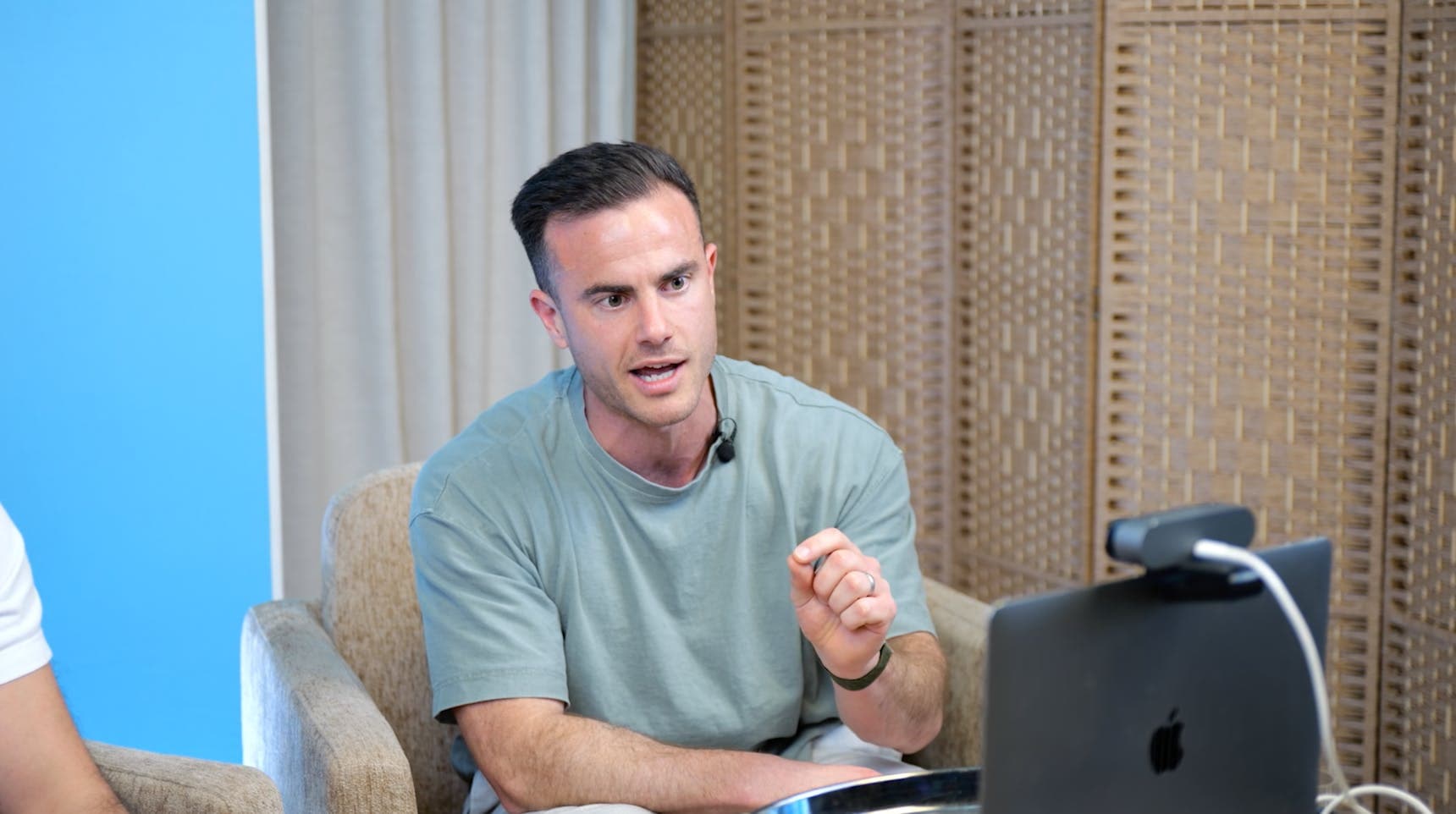
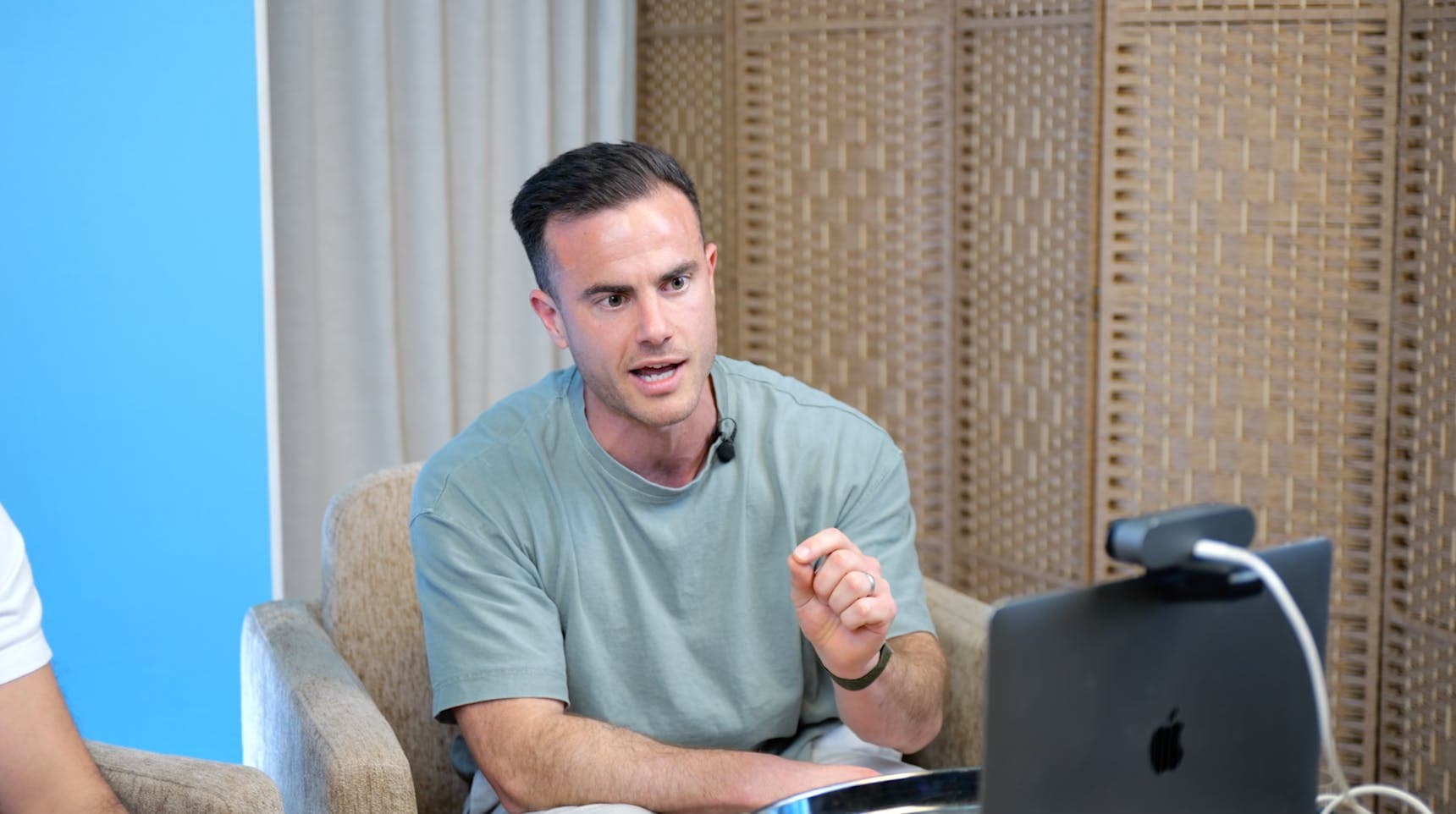
Frank Greeff built Realbase with his brother and co-founder Jacques over 13 years, growing it from a signboard installation business into a real estate marketing platform with 400 people, then exiting for $180 million. He is now building Kinzo, an AI app that pulls conversations, calendars and contacts into one place and prioritises messages against your goals. He started building a personal brand only two years ago, having had no Instagram account before that.
The sessions
What Frank teaches
Fund the first product from a services business, not a raise
Frank's signage and brochure business gave him paying customers, gross margin and intimate knowledge of the industry's pain points before he built any software. He recommends the same reverse order: pick the sector, run a services business that needs no capital, then build tech for the inefficiencies you have personally suffered. He cites Relume (now 50,000 users) which started as a website agency before building its design and component library.
From Bootstrapping to a $180M sale to Domain →Hold off a funding round until you have around 10 paying customers
Frank's view is that each stage of funding trades a disproportionately larger slice of equity for a smaller cheque. His advice to a founder self-funding a SaaS product out of her marketing agency was that if you can prove product-market fit with roughly 10 paying customers first, you buy yourself a significantly better valuation. He points to Antler's model of 10% of a company for $170,000, valuing it at $1.7 million, as an example of how cheap early equity is.
From Bootstrapping to a $180M sale to Domain →Create optionality before any partnership or merger negotiation
Frank negotiated a 50/50 merger with a company doing $37 million revenue when Realbase was doing $4.5 million, because he genuinely did not need the deal. He warns against putting all your eggs in one basket, citing a founder who spent 2.5 years in due diligence on a single $350 million buyer and had it fall through. Even if the first co-founder or investor turns out to be the right one, tease out other options first so your confidence is real and felt.
From Bootstrapping to a $180M sale to Domain →Do due diligence on the humans, not just the numbers
Frank admits he did almost no personal vetting of his merger partners and credits luck that it worked out. His process now: with one prospective partner he spent seven hours together in that person's area, and he wants to meet friends and family and go to dinner with them. He treats a co-founding relationship like a marriage, and applies the same lens to investors by asking what it will feel like to still be with this investor in five years.
From Bootstrapping to a $180M sale to Domain →Balance speed with a pause before you build
Frank credits compressing the gap between idea and execution for Realbase's growth, but says they took it too far. They launched the Realbase tech product and rebuilt it three times inside a year because they had chased the wrong customer and wrong product market fit. At Kinzo he is spending 10 to 20 times more time on user experience and design than he did at Realbase, deliberately celebrating thinking time while still moving at pace.
From Frank Greeff: Lessons From a $180M Exit, Applied Again →Run a three-month trial before you hand over equity
Frank's rule for any co-founder or joint venture: if you have never worked together, do not sign. Instead set up a three-month window where you work together exactly as you would as equity partners, with clearly agreed levers on both sides for either party to walk away. Everything looks like blue skies on paper. The realities of business are what break partnerships, and he has seen VC-backed businesses go insolvent purely because two founders split.
From Frank Greeff: Lessons From a $180M Exit, Applied Again →Treat a shareholder as forever, because at exit they hold the pen
At sale, Realbase had a shareholder who had not worked in the business for four years but still owned 7 percent. The team chased that person for six weeks with no reply, and could not complete the sale until they signed. Apply the same seriousness to equity given to employees. No handshake deals, and as Daniel Hakim's lawyer put it, contracts are not for when things are going well, they are for when things go bad.
From Frank Greeff: Lessons From a $180M Exit, Applied Again →Choose the customer first, then find their problem
Most founders start with a problem and build a solution. For Kinzo, Frank and his brother inverted it: who is our ideal customer, who would we enjoy taking to lunch, who do we want to solve something for? They picked founders, because they are founders. At Realbase they served real estate agents and never shared their problems (marketing an open home for a vendor on a Saturday), so they could never be as passionate about solving them.
From Frank Greeff: Lessons From a $180M Exit, Applied Again →
Watch the full sessioninside Boa.
Session notes are free. The recordings, the live advisories and the founders in the room are for members.